How to Find a Reliable General Contractor for Property Renovation Hull
Finding the right general contractor can make the difference between a renovation that adds long term value and one that turns into months of disruption, cost creep, and patch-up work. In Hull, that difference matters even more because so much of the local housing stock comes with quirks. Victorian terraces, ex-local authority homes, post-war semis, converted flats, and older commercial buildings all behave differently once walls come down and floors come up. What looks simple on a viewing can become complicated the moment a contractor starts probing below the surface.
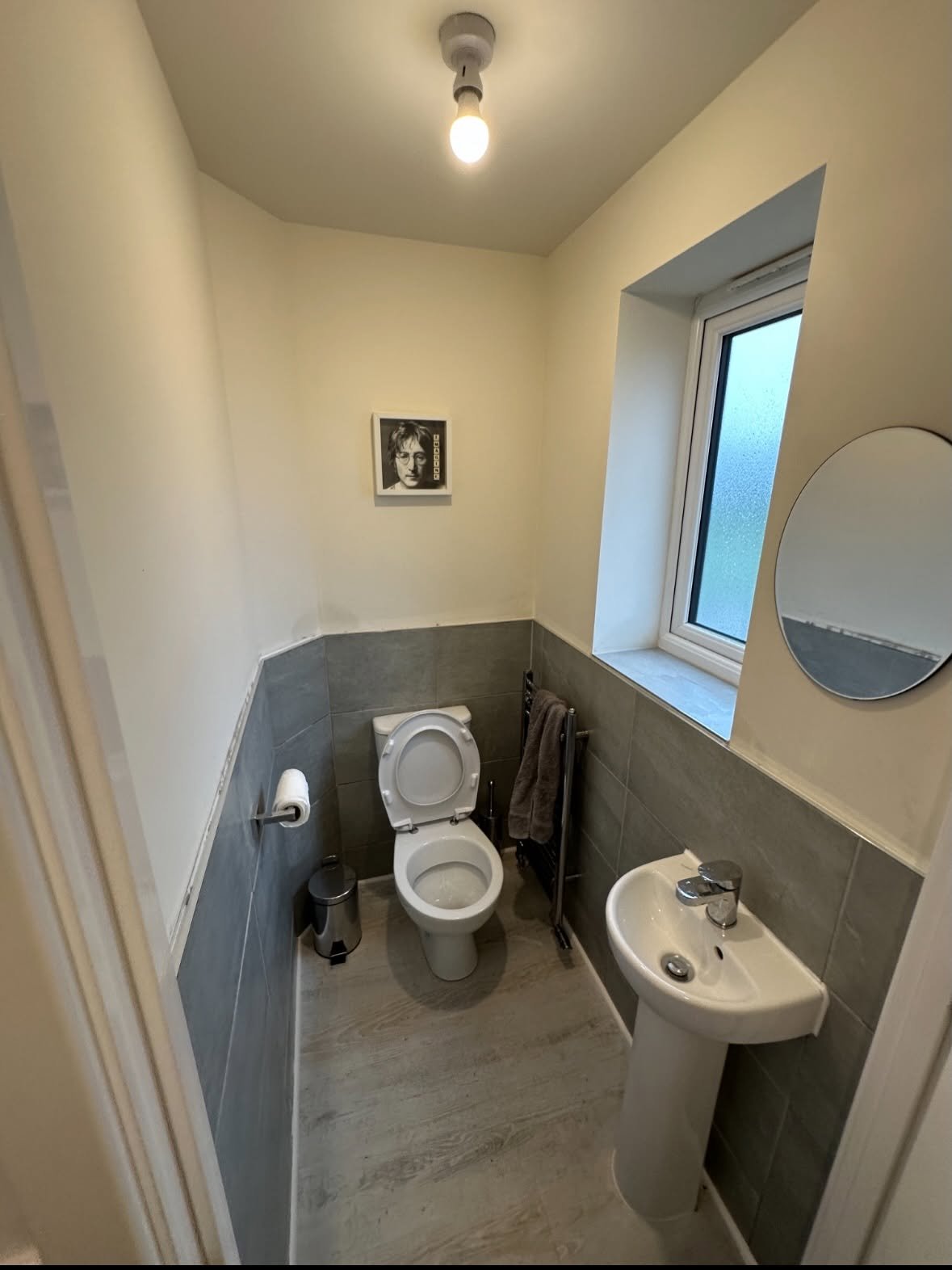
If you are planning a kitchen refit, full house upgrade, extension, loft conversion, or ongoing Property Maintenance Hull work, choosing on price alone is rarely the winning move. A reliable General Contractor is not simply someone who can supply labour. They should be able to coordinate trades, manage sequencing, anticipate risks, communicate honestly, and keep the job moving when surprises appear. Good renovation work is part technical knowledge, part planning discipline, and part temperament.
In Hull, homeowners and landlords often start with the same question: how do you tell the difference between a contractor who talks well and one who actually delivers? The answer is not a single sign. It is a pattern. Reliable firms leave clues in the way they quote, the questions they ask, the jobs they show you, the subcontractors they use, and how they respond when you press for detail.
Start with the kind of contractor your project actually needs
One of the most common mistakes is searching too broadly. People often look for “a builder” when what they need is a contractor with a very specific set of strengths. A Landscaping Hull team that is excellent at new build shells may be far less competent at occupied-home renovations. A contractor who thrives on straightforward bathroom refits may struggle with structural alterations, planning constraints, drainage issues, or the hidden defects common in older Hull properties.
A reliable General Contractor for Property Renovation Hull should understand how refurbishment differs from starting from scratch. Renovation means working around unknowns. Pipework may not be where the drawings suggest. Floors may be out of level by several centimetres. Past repairs may have been done cheaply. Damp may be cosmetic, or it may point to a deeper ventilation or masonry issue. A contractor with real renovation experience will not dismiss these possibilities. They will build them into their approach.
That first conversation tells you a lot. If a contractor asks only, “What’s your budget?” and “When do you want to start?”, that is a weak beginning. Better contractors ask what the property is currently used for, whether anyone will be living there during the works, whether there is a survey, what utilities have been updated, what the end goal is, and which parts of the building concern you most. Those questions show they are thinking in systems, not just in day rates.
Local experience in Hull is worth more than a flashy website
There is nothing wrong with a polished online presence, but renovation credibility is usually built on local knowledge and repeat work. In Hull and the surrounding East Yorkshire area, contractors who have spent years working in the same streets, with the same suppliers, and under the same planning environment often bring a practical advantage. They know which materials are readily available, which roads complicate deliveries, how weather affects scheduling, and which common defects appear in local property types.
That matters on real jobs. A contractor familiar with older terrace houses may spot signs of historic movement that someone else brushes off. A team used to working in occupied homes may know how to phase a bathroom and kitchen renewal so the house stays functional. A contractor who handles both Property Renovation Hull and ongoing Property Maintenance Hull services may also be more realistic about durability, access, and what tends to fail first after handover.
When you speak to them, ask where they have worked recently. Not vaguely, but specifically. Streets, postcodes, property types, project values, and scope. A reliable firm will usually be able to tell you, with no theatrical sales pitch, “We renovated a two-bed terrace off Newland Avenue last winter,” or “We completed a full back-to-brick refurbishment on a rental in west Hull and had to replace sections of the suspended floor.” Specifics are difficult to fake.
Recommendations are useful, but they are only the first filter
Many people begin with referrals from family, neighbours, work colleagues, or local landlords. That is sensible, but a recommendation should open the door, not close the evaluation. A contractor may have been perfect for a simple repaint and flooring job yet wrong for a structural renovation. Equally, one unhappy review on its own does not necessarily mean a firm is unreliable. Renovation work is messy by nature, and disputes sometimes reflect mismatched expectations rather than poor workmanship.
What you want is consistency across several signals. If one landlord says a contractor is organised, a neighbour says they turned up when they said they would, and a previous client says the final account was close to the original estimate, those pieces start to form a reliable picture. If the comments are always about “good lads, friendly team,” but never mention scheduling, snagging, documentation, or cost control, keep digging. Being pleasant is not the same as being dependable.
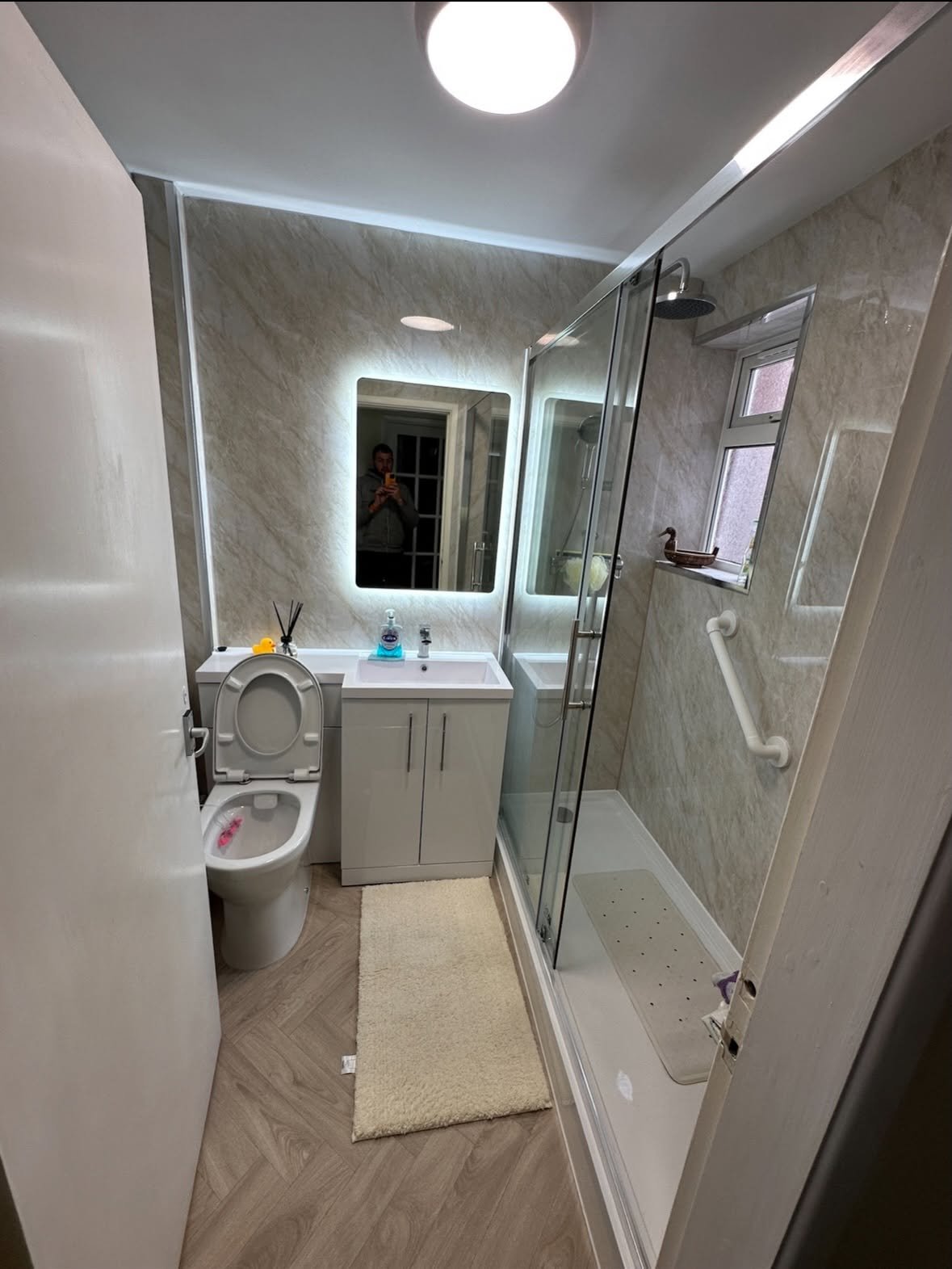
A quick way to sharpen this stage is to ask every referee the same few questions:
- What was the original scope of work?
- How close was the final cost to the quote?
- Were there delays, and if so, how were they explained?
- How did the contractor handle problems or changes?
- Would you use them again for a larger job?
Those answers usually tell you more than an online star rating ever will.
Look closely at the quote, because that is where reliability starts to show
A contractor’s quote is not just a price. It is a document that reveals how they think. Reliable contractors tend to produce quotes that are clear about scope, assumptions, exclusions, timescales, and provisional sums. Unreliable ones often hide behind vague language. If a quote simply says “renovation works as discussed” with a lump sum at the bottom, that is not a professional basis for a serious project.
For Property Renovation Hull projects, you should expect some uncertainty. Until floors are opened or ceilings are lifted, no contractor can know every hidden condition. That said, uncertainty should be identified honestly, not used as a blank cheque. A dependable contractor will distinguish between fixed work and items that may vary. They will explain where estimates are provisional and why.
Pay attention to missing detail. Does the quote mention waste removal, scaffolding, skip permits if needed, plaster finish level, second fix carpentry, making good around electrical chases, sanitaryware installation, decoration, and final cleaning? Does it specify who is supplying fixtures and how long lead times might affect the programme? Gaps in the quote often become arguments later.
The cheapest quote can be the most expensive path. Underpricing is not always a sign of efficiency. Sometimes it is a sign that the contractor has misunderstood the job, missed key items, or intends to recover margin through variations. I have seen refurbishments where a quote came in 20 percent below the others, only for the client to face constant add-ons for waste, joinery, rewiring details, and floor preparation. The final cost ended up above the more thorough bidders, with more stress along the way.
Ask to see active jobs, not just polished finished photos
Completed project images are useful, but they tell only part of the story. Any contractor can show the best corner of the best room on the best day. An active site is far more revealing. If you can visit a live renovation, with the owner’s permission, you will quickly see whether the contractor runs an orderly job or a chaotic one.
A well managed site does not have to look spotless, especially during demolition or first fix stages, but it should show control. Materials should be protected where sensible. Waste should not be overflowing everywhere. Trades should know what they are doing that day. Temporary safety measures should be in place. The work sequence should make sense. You are not looking for perfection. You are looking for discipline.
This is especially important if your project involves living in the property during works. A contractor who is used to occupied renovations will have habits that reduce stress. They will think about dust barriers, temporary services, daily cleanup, secure storage, and how to keep at least part of the house usable. Those details matter enormously in real life, far more than brochure language about “quality workmanship.”
Insurance, credentials, and compliance should be routine, not awkward
Reliable contractors do not get defensive when asked for proof of insurance or details of who will carry out regulated work. They expect the question. For renovation work, public liability insurance is the baseline. Depending on the project, you may also want confirmation around employer’s liability, subcontractor arrangements, and who signs off electrical and gas work where applicable.
If structural changes are planned, ask how they typically work with structural engineers and building control. If planning approval is involved, clarify who handles what. A good General Contractor will not pretend to replace every specialist. Instead, they will explain the handoffs clearly. That kind of clarity is reassuring. It shows they know the limits of their role and how to integrate with others.
There is also a practical side to compliance. Ask how variations are recorded, how stage payments are triggered, what happens at snagging, and whether they use a written contract for domestic jobs. It does not have to be a mountain of paperwork, but there should be a clear paper trail. Renovations go wrong when assumptions stay verbal.
Communication style is not a soft issue, it is a project risk
People often underestimate how much communication affects cost and schedule. A contractor may be technically capable but still create a miserable experience if they disappear for days, answer vaguely, or avoid difficult conversations. The most dependable contractors tend to be direct, not dramatic. If something is delayed, they say so. If a wall turns out to be worse than expected, they show you. If a product choice will affect programme, they explain the trade-off.
You can test this before you sign anything. See how long they take to return calls. Notice whether they answer the actual question you asked. Watch whether they follow up on promised documents. If they are slippery before winning the work, that usually worsens after the deposit is paid.
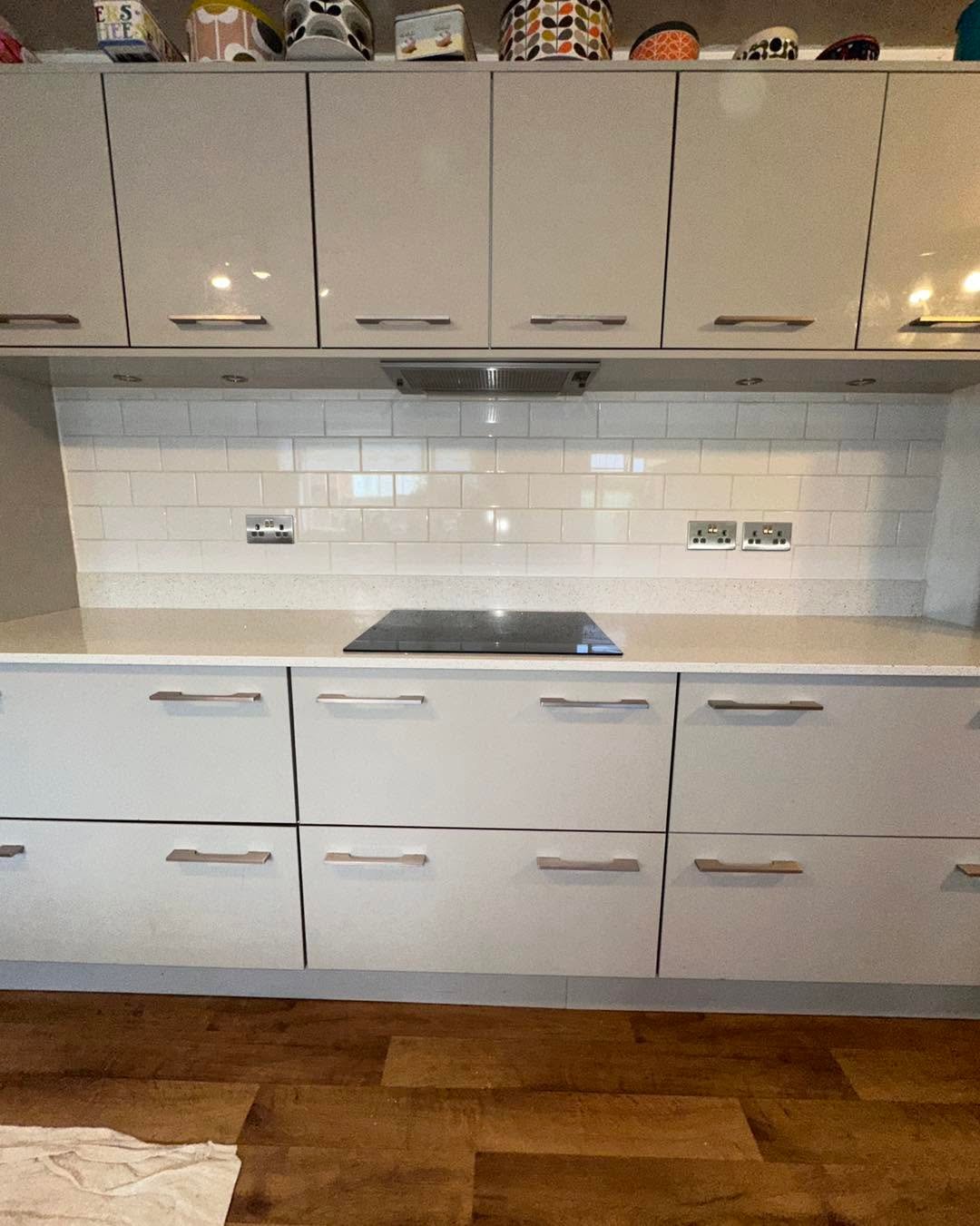
A contractor once told a client of mine that the job would “probably be done in six weeks, give or take.” That phrase sounds casual and harmless, but it hid the real issue. There was no programme, no trade sequencing, and no commitment. The works took eleven weeks. By contrast, another firm on a similar project said, “Seven to eight weeks if no major hidden defects, kitchen arrives on time, and we get uninterrupted access.” That was a much more reliable answer. It was conditional, but it was honest.
Understand who will actually be on site
Some contractors price the job, win the contract, and then disappear almost entirely, leaving everything to subcontractors with little supervision. That model can work if the coordination is strong, but it often produces uneven quality and confusion over responsibility. You need to know who your day-to-day contact will be and who has authority to make decisions on site.
For Property Maintenance Hull and renovation work alike, continuity matters. If one person handles the survey, someone else writes the quote, and a third person appears on site with no context, details get lost. Ask who will oversee the project, how often they will be present, and how site meetings are usually handled. This is not micromanagement. It is basic project control.
It also helps to ask what proportion of the work is done in-house versus subcontracted. There is no single right answer, but there should be a coherent one. A contractor might keep core carpentry, plastering, and labouring in-house while using regular subcontracted electricians and plumbers. That can work very well if those relationships are established and the standards are consistent.
Payment structure tells you a lot about risk
Payment terms should feel balanced. Be wary of large upfront demands, especially if they are poorly explained. Deposits for booking, design time, or special-order materials can be reasonable, but a reliable contractor should be able to justify them. Stage payments tied to visible progress are usually a healthier structure than vague requests for money “to keep things moving.”
A sensible arrangement often looks something like this:
- A modest deposit to secure the slot, if applicable
- An agreed payment when demolition or strip-out and first key milestones are completed
- Further stage payments linked to clear progress points such as first fix, plastering, or second fix
- A retention or final balance paid after snagging is addressed
- Written approval required before charging for variations
If a contractor resists any transparency around payments, treat that as a serious warning sign.
Watch how they handle the awkward questions
The best hiring conversations are not the smoothest ones. They are the ones where you ask difficult but fair questions and get calm, practical answers. Ask what happened on a recent job that did not go to plan. Ask how they deal with clients changing their minds. Ask what hidden issues they see most often in Hull renovations. Ask what would make them walk away from a project.
Reliable contractors rarely claim that everything always goes perfectly. That answer is usually sales talk. The stronger answer is something like, “We found rotten joist ends after kitchen strip-out on a terrace job, so we paused, brought in the engineer’s detail, repriced that element, and adjusted the programme by four days.” That response shows process. It shows they have met real problems and know how to respond.
Red flags that deserve immediate caution
Some warning signs appear so often that they are worth learning by heart. One on its own may not be fatal, but several together usually point to trouble.
- The quote is very low and very vague
- The contractor pressures you to decide immediately
- They avoid written confirmation of changes or costs
- They cannot provide recent, relevant references
- They are hard to reach before the project has even started
I would add one more, though it is harder to spot: excessive certainty. Renovation is full of variables. The contractor who promises a perfect finish, fixed price, and no disruption on an older property may simply be telling you what you want to hear.
Why small jobs can be the best test
If you are unsure about a contractor but like their approach, a smaller scoped piece of work can be a smart proving ground. That might be a bathroom refurbishment, internal reconfiguration of one floor, or a package of Property Maintenance Hull repairs before a larger phase begins. You get to see how they communicate, protect the property, manage subcontractors, and close out defects.
This works particularly well for landlords and repeat property owners. Instead of handing over a whole refurbishment programme based on a meeting and a quote, you watch how the contractor behaves on a contained project. Do they keep records? Do they return for snagging? Do invoices align with progress? Those habits tend to stay consistent, whether the job is worth a few thousand pounds or far more.
The contractor you trust should still be challenged clearly
Trust is important, but it should rest on verification. Even the strongest recommendation or the most impressive site visit does not remove the need for detail in writing. Scope, exclusions, materials, programme assumptions, payment stages, variation process, and completion expectations should all be documented clearly. This is not about being adversarial. It is about making sure both sides are working from the same understanding.
The most successful renovation relationships usually combine professionalism with realism. Good clients make timely decisions, keep budget discipline, and understand that hidden defects are part of refurbishment. Good contractors communicate openly, price responsibly, and do not vanish when the awkward bits begin. When both sides do their part, a renovation in Hull can be demanding without becoming chaotic.
Finding a reliable General Contractor takes more effort than collecting three prices and picking the middle one. But that effort pays for itself very quickly. The right contractor will help you make better choices, avoid expensive rework, and protect the value of the property long after the dust settles. For anyone planning Property Renovation Hull work, that is not a small advantage. It is the whole game.
CHM Yorkshire Ltd
Hull
HU9 5BU
Tel: 01482 455159
Website: https://www.chmyorkshireltd.co.uk